
What it does
What you get with
Content Ops Director
Discover the core capabilities of the control overlay for your content operations.
Content Design Assets
Manage content design assets
For a content strategy to be effective, you need to design your content so that it can do the job the strategy demands.
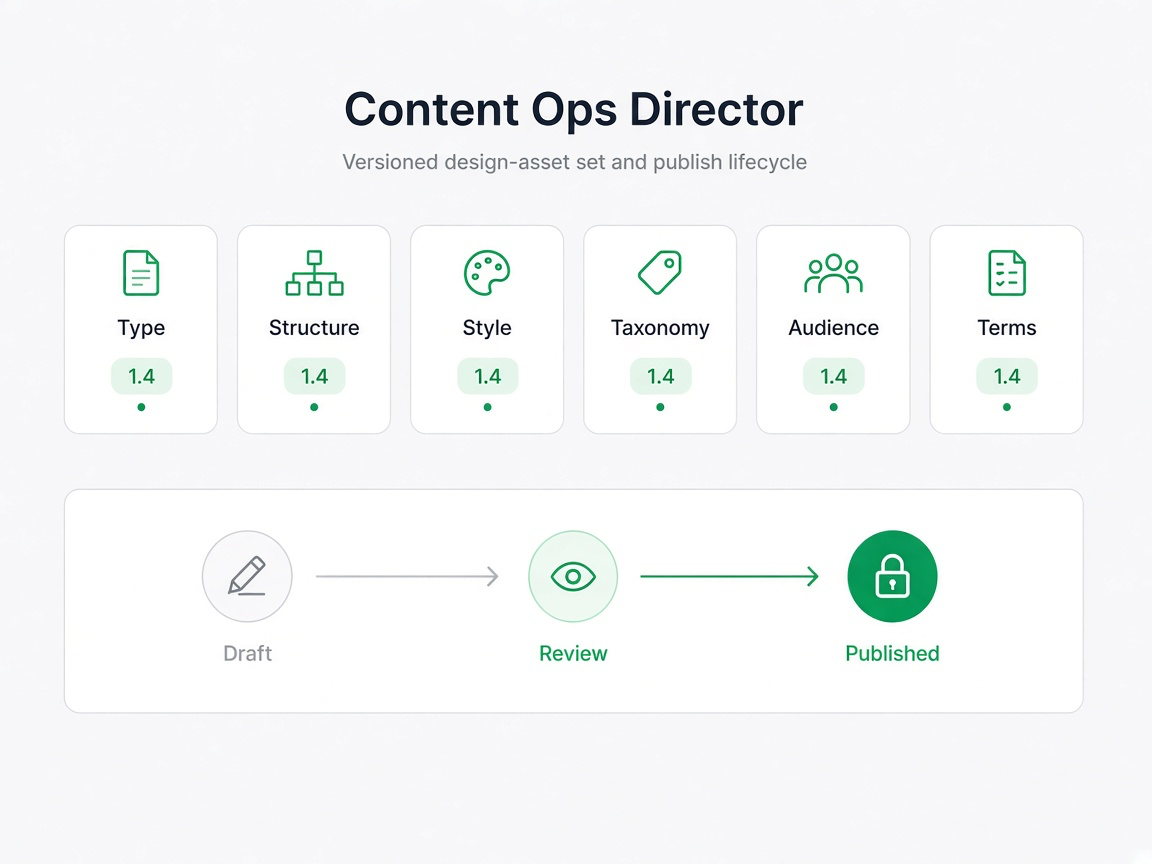
COD provides a central location to capture and approve design assets, and assign them to the publications they govern.
First-class assets
Document types, style guides, taxonomy models and terminology as governed assets compatible with popular standards such as TBX, SKOS, and DITA.
Asset lifecycle
Human-approved design assets with immutable published versions for robust audit trails.
One definition of good
The same design assets can be single-sourced across deliverables, and shared with your other systems.
Centralised Repository
Share design assets with whoever is creating
To be effective, content developers, human or agent, need to know the design they are expected to create.
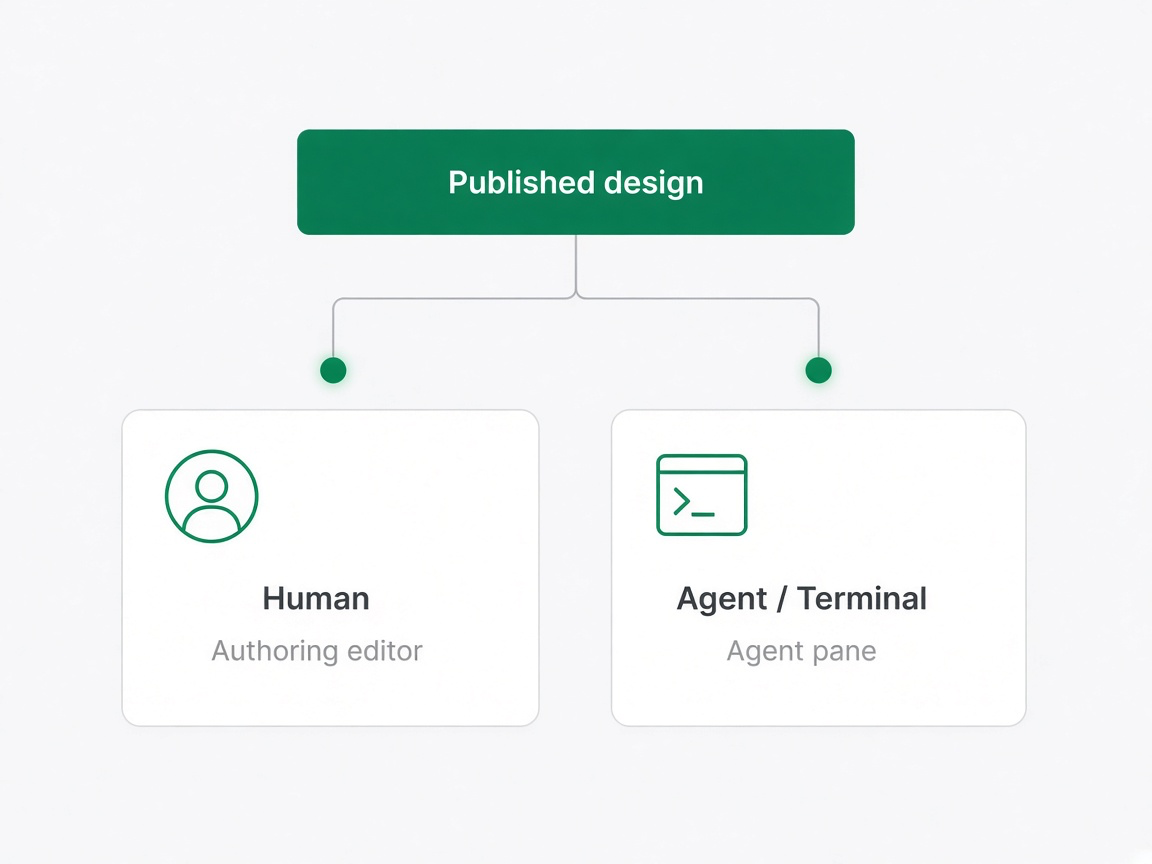
COD makes your design assets available in the appropriate format so content developers have the latest, approved versions to work to.
Guidance for agents
Design assets published as a machine-readable contract an agent can request.
Peer reviews
Allow content developers to peer review each other’s work against the correct design asset versions.
Control overlay
Agents and authors continue to use the tool stack you already run. Set up, build confidence, and roll out at your pace.
Quality control at scale
Quality control at the point of delivery
Content consumers, human or AI, see the compiled documents you publish, not the source you develop in.
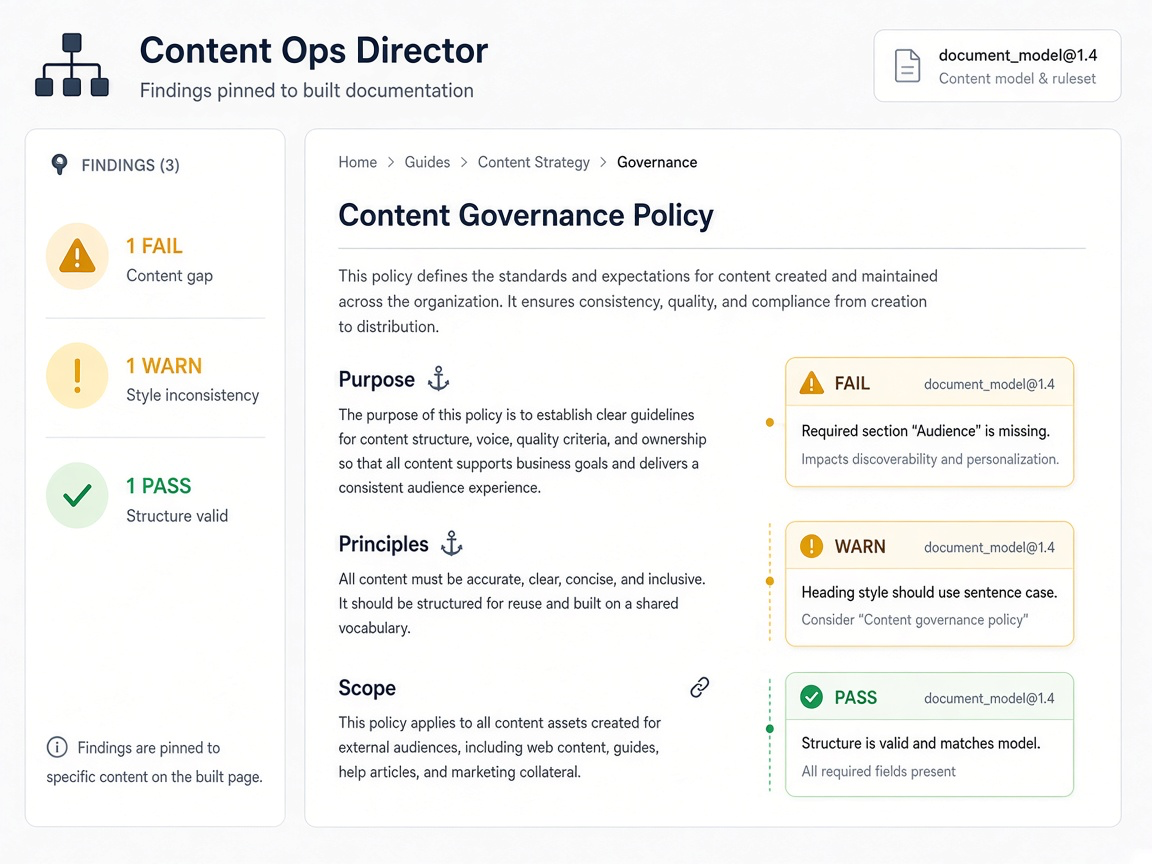
COD ensures the publications you deliver comply with the standards you defined, giving you the flexibility to choose the appropriate tool stack for your team.
QA the compiled publication
Ensure that all aspects of the document, whether intended for a human or machine, conform to the approved design.
Pass, warn, or fail
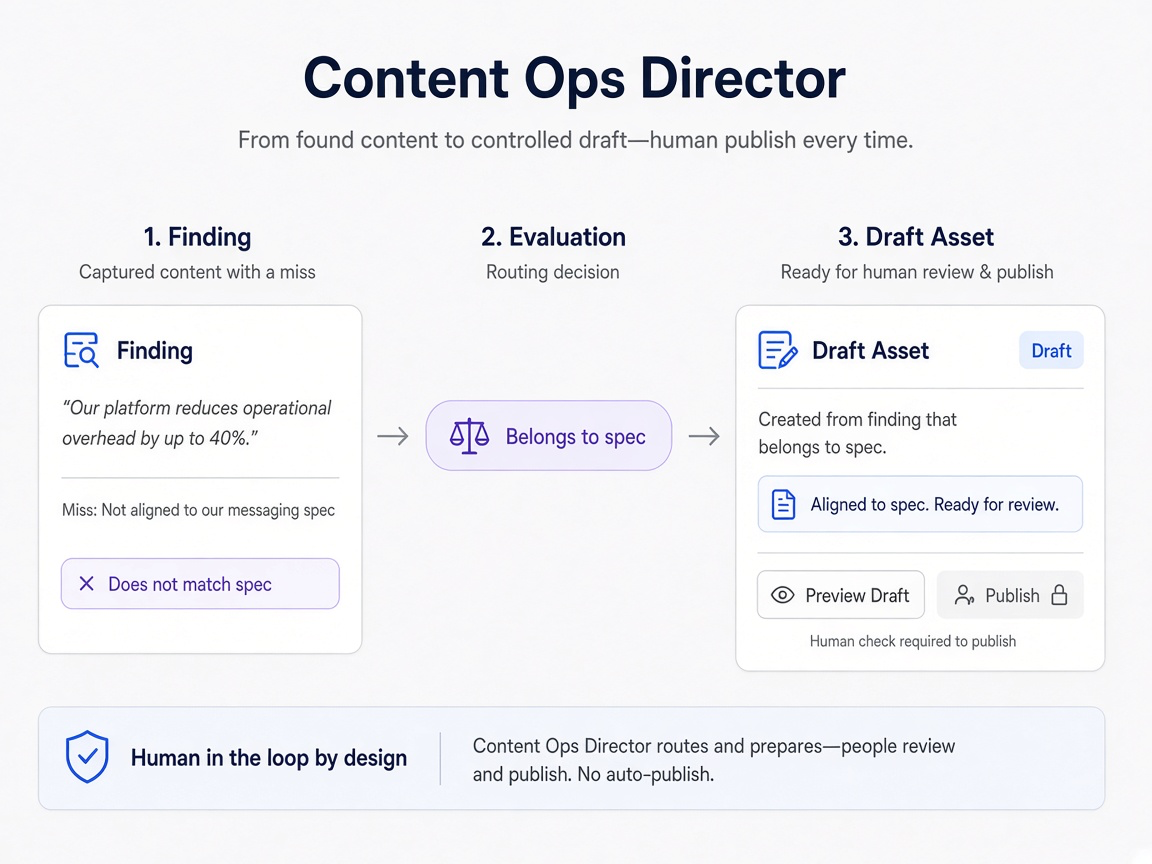
Human review of QA findings to fix, waive or reject the content.
Improvement iterations
Feedback is provided to the content developer to fix issues before final delivery.
Agent oversight
Agent production oversight
Adding AI agents to your production workflow can increase the speed, but you still need to control the production.
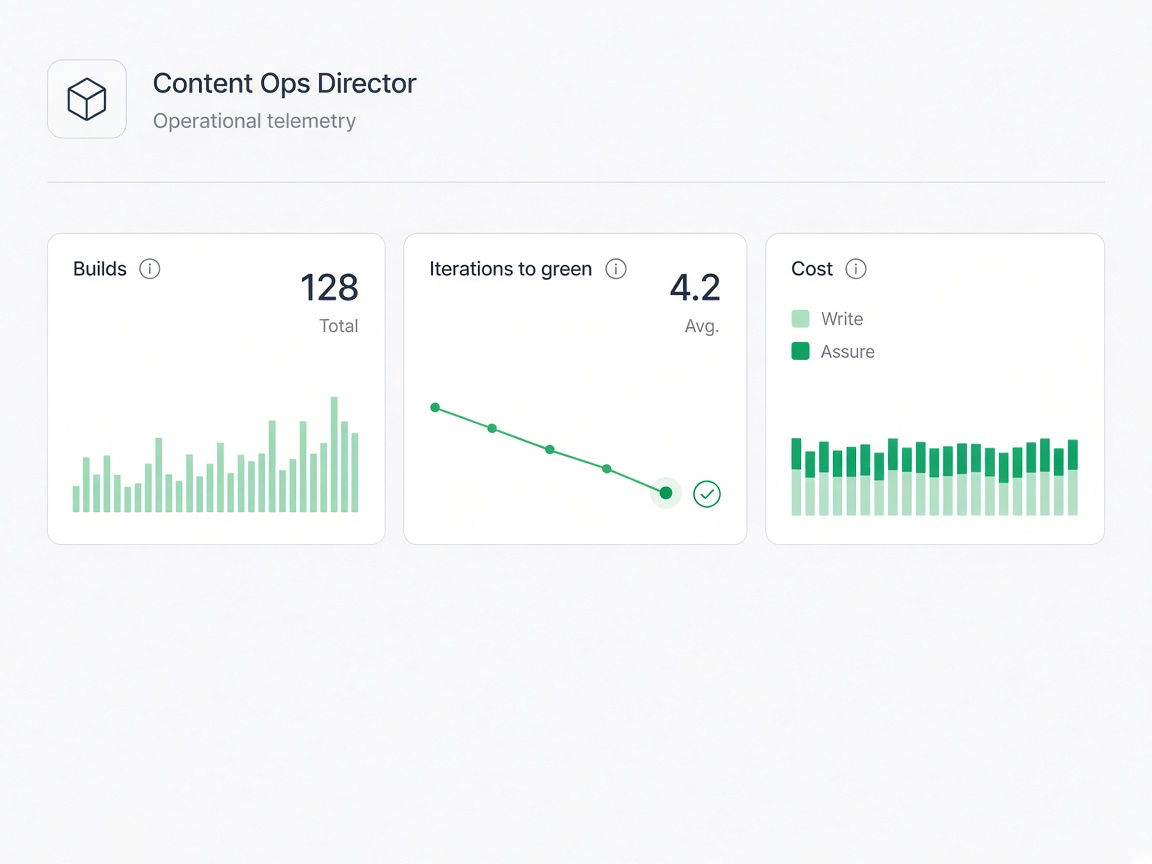
COD gives you the oversight of what each agent is producing, which design assets they used, and at what cost.
Build reports
Production details for each build are provided when a publication is submitted for quality control.
Track agent costs
Identify if an agent is earning its keep. Separate time and cost for creating the content, and for assuring the content.
Compare agents
Understand how different agents perform so you can improve your operations over time.
Know what’s governed
Keep track of your governed publications
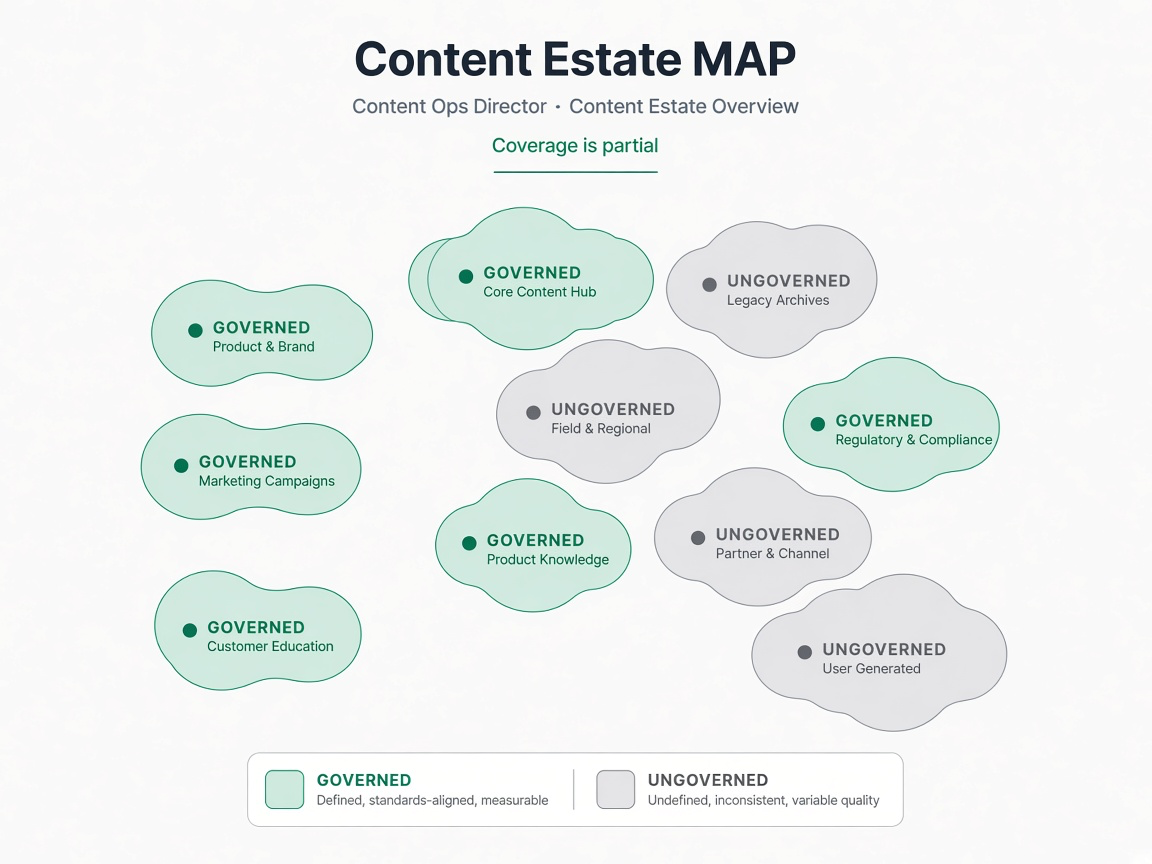
For effective governance, you need to know what is governed.
COD’s content library allows you to identify which publications are under a design, and to see how they are performing against those designs.
Asset register
Identify which versions of which assets apply to a publication, and which need to be republished when an asset is updated.
Build history
See a record of each publication build, the asset versions used for each, and track the trends over time.
Evidence packs
Share an auditable history with your quality systems.
Closing the loop
Check your content is doing its job in the wild
As people increasingly get information from AI assistants, you need to know that those assistants can locate and understand your publications.
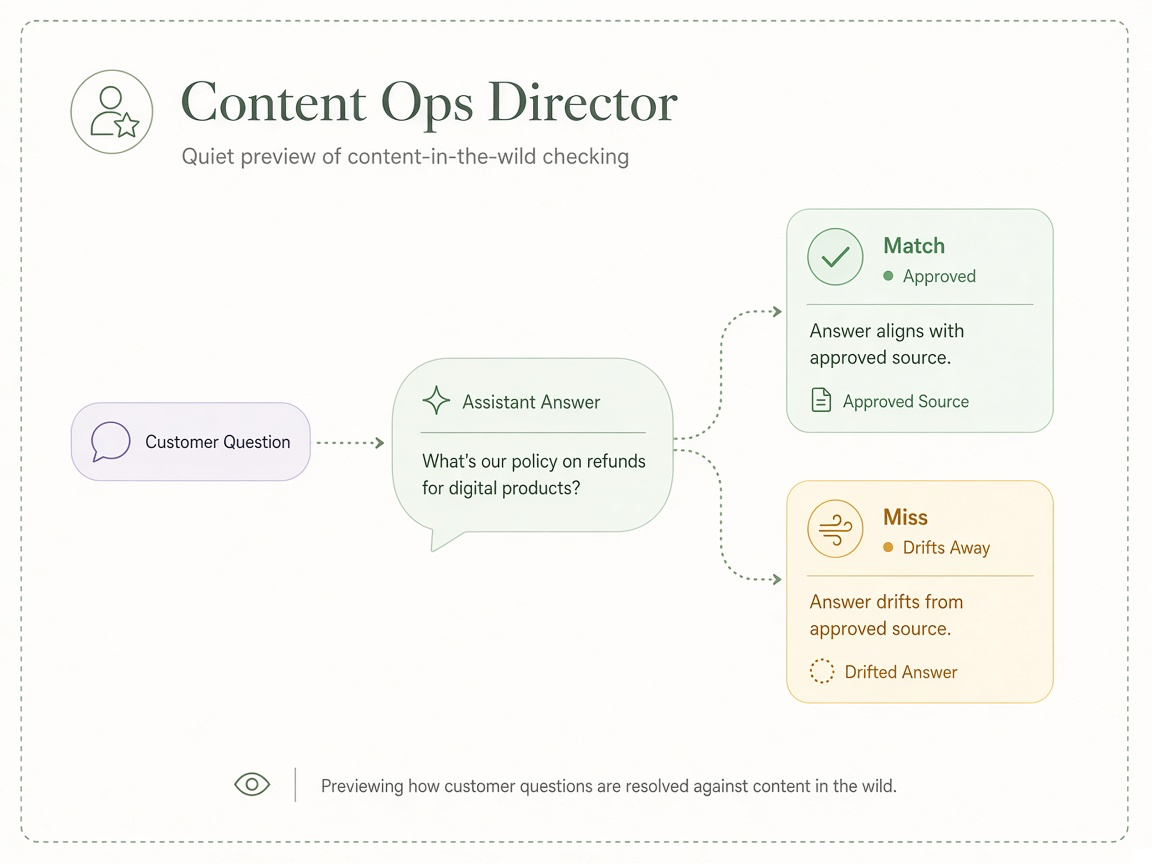
COD can check AI-generated answers against your publications to show how your content is portrayed by AI assistants.
Response source
Identify where public AI assistants get their information about your product or service.
Response accuracy
Qualify if public AI assistants are able to produce accurate information from your published content.
Response improvement
Treat misses in the wild as a signal to fix the design, so future versions perform better.
Iterative improvement
Improve your content supply chain
You can’t manage what you can’t measure.
COD allows you to measure how your whole content supply chain is performing against your content strategy. With a trail from asset to output, you can trace effects back to the design asset and close the loop.
The content designs
Identify which rules are earning their keep, which assets deliver best effect, or where agents need more context.
The content developers
Compare models, process or hardware to identify the best combination for each of your needs.
The content consumers
Understand how your content is viewed by AI consumers, so you can adapt the whole chain to produce more performant content.
Next step